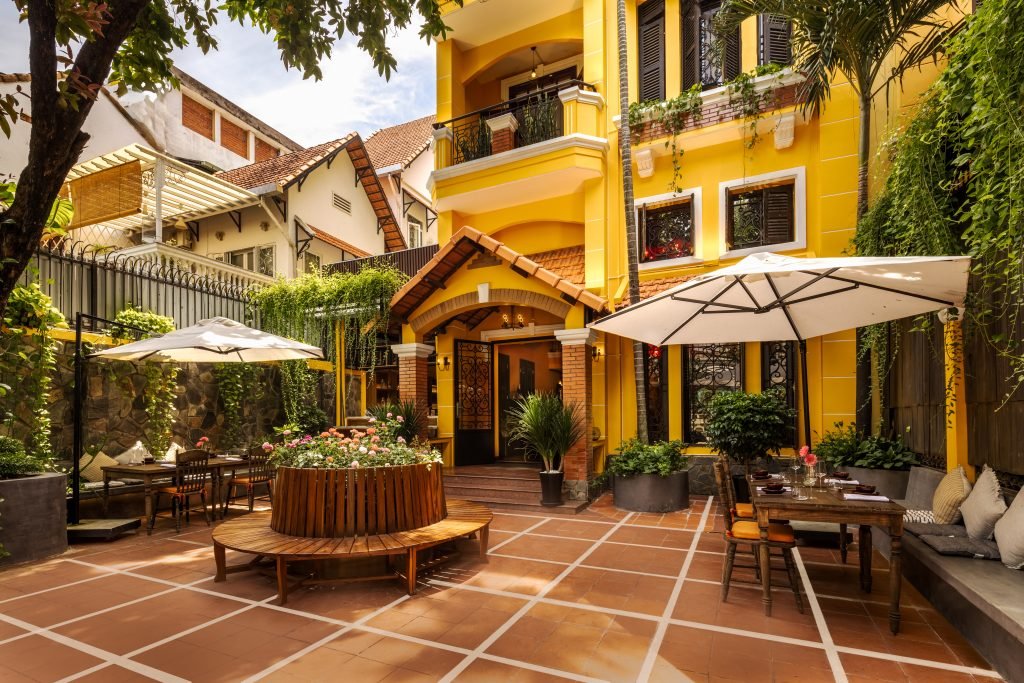
The vibrant street stalls and bustling eateries of Ho Chi Minh City paint a delicious portrait of what traditional Vietnamese food Saigon truly represents. It's a culinary journey deeply rooted in generational recipes, celebrating an exquisite balance of fresh ingredients, delicate herbs, and savory broths that speak directly to the soul of Southern Vietnam. This city, often called Saigon, is a treasure trove where every dish tells a story of cultural fusion and local innovation, evolving classic Vietnamese tastes into something uniquely Saigonese.
At a Glance
- Discover Saigon's Culinary Identity: Unpack the unique characteristics that define traditional Southern Vietnamese cuisine.
- Explore Iconic Dishes: Gain insight into the must-try foods, from ubiquitous street eats to comforting home-style meals.
- Appreciate Authentic Preparations: Understand the nuances that distinguish a truly traditional dish, focusing on freshness and flavor balance.
- Bring Flavors to Your Kitchen: Learn practical ways to replicate these authentic tastes in your home.
- Spot Authentic Eateries: Develop an eye for recognizing quality Vietnamese restaurants, even outside of Vietnam.
The Soul of Southern Vietnamese Cuisine: Saigon's Flavor Profile
Vietnamese cuisine, recognized globally for its health-conscious ingredients and minimal oil, thrives on a philosophy of balance. In Saigon, this principle takes on a distinctive character. Southern Vietnamese dishes often lean towards a sweeter profile, incorporating more coconut milk and a broader array of fresh herbs, creating a dynamic interplay of sweet, sour, salty, and spicy notes. This regional tradition emphasizes the delicate dance between these elements, transforming simple ingredients into complex, satisfying meals. The preservation of authentic recipes, often passed down through families, ensures that each bowl or plate carries the weight of history and heartfelt preparation.
Saigon's Signature Dishes: A Culinary Tour
Exploring traditional Vietnamese food Saigon means immersing yourself in a rich tapestry of flavors, from comforting everyday meals to sophisticated restaurant offerings. These dishes highlight the city's unique culinary identity and its deep appreciation for fresh, local produce.
The Hearty Staples of Daily Life
Cơm Tấm (Broken Rice): The Quintessential Saigon Dish
Perhaps no dish embodies Saigon quite like Cơm Tấm. Originally a frugal meal made from fractured rice grains too small to sell, it has evolved into a beloved staple. A traditional plate typically features fragrant broken rice topped with a perfectly grilled pork chop, a savory egg meatloaf (chả trứng), finely shredded pork skin, and a generous drizzle of the signature fish sauce (nước chấm). It's a symphony of textures and flavors, offering a complete and utterly satisfying meal that's a cornerstone of Southern Vietnamese cuisine.
Bánh Mì: A French-Vietnamese Culinary Icon
This portable marvel showcases Vietnam's colonial past fused with its vibrant present. A crispy baguette, lighter and airier than its French counterpart, encases a medley of fillings: rich pâté, savory pork, tangy pickled carrots and daikon, crisp cucumber slices, and fragrant cilantro. The magic of Bánh Mì lies in its harmonious contrast—the crusty bread against the soft fillings, the savory meats balancing the pickled vegetables, all for an affordable and incredibly flavorful experience.
Phở: The Ubiquitous Noodle Soup
While Phở originated in Northern Vietnam, it has become deeply ingrained in Saigon's culinary landscape, adapted with a distinct Southern flair. Here, the clear, fragrant broth, simmered for hours with beef bones, star anise, ginger, and cinnamon, is often richer and slightly sweeter, served with a more generous array of fresh herbs, lime wedges, and chili on the side. The tender slices of beef and flat rice noodles provide a comforting foundation, making it a beloved choice at any time of day.
Dishes for Deeper Exploration
Cá Kho Tộ (Caramelized Fish in Clay Pot): A Homey Delight
This rustic, home-style dish delivers rich umami depth with a velvety texture. Catfish, or another firm white fish, is braised slowly in a traditional clay pot with a savory-sweet caramel sauce, often incorporating a hint of black pepper and shallots. The slow cooking infuses the fish with incredible flavor, making it a perfect accompaniment to a bowl of steamed rice. It’s a testament to the comforting simplicity and profound flavors of Southern Vietnamese cooking.
Bánh Xèo (Sizzling Savory Pancake): A Crispy Sensation
Translating to "sizzling cake" for the sound it makes when cooked, Bánh Xèo is a large, crispy crepe made from rice flour, turmeric, and coconut milk. It's typically filled with succulent shrimp, sliced pork, and crunchy bean sprouts, then folded in half. Served with a vibrant platter of fresh herbs and large lettuce leaves, the ritual of tearing off a piece, wrapping it with greens, and dipping it into a tangy fish sauce is an essential part of the experience.
Canh Chua (Sour Tamarind Soup): A Southern Specialty
This bright and invigorating soup truly captures the essence of Southern Vietnamese flavors. It features a tamarind-based broth, delivering a distinct sweet and sour profile, brimming with ingredients like fish, pineapple, tomato, and unique herbs such as ngo om (rice paddy herb) and bean sprouts. The Southern-style Canh Chua Cá, as prepared in refined establishments like Mandarine, showcases a crystal clear, deeply layered broth, complete with okra, tomatoes, taro stems, and firm, delicate fish, proving how an everyday dish can be elevated.
Fresh and Fried Delights
Gỏi Cuốn (Fresh Spring Rolls): Light and Refreshing
For a lighter option, Gỏi Cuốn are an irresistible choice. These translucent rice paper rolls are a picture of freshness, typically filled with succulent shrimp, thinly sliced pork, delicate vermicelli noodles, and an abundance of fresh herbs like mint and cilantro. They are usually served with a rich hoisin-peanut dipping sauce, though some, like Mandarine, offer a variation with an additional layer of soft rice noodles and a delicate sweet-and-sour dipping sauce, showcasing subtle regional preferences.
Chả Giò (Fried Spring Rolls): Crispy Golden Perfection
The deep-fried counterpart to Gỏi Cuốn, Chả Giò offers a satisfying crunch. These golden, crispy rolls are typically filled with a savory mixture of minced pork, finely chopped mushrooms, taro, or glass noodles. Expertly prepared Chả Giò, such as Mandarine's triangular versions, feature a perfectly crisp crust encasing a flavorful blend of shrimp, wood ear mushrooms, jicama, seasoned pork, and silky rice vermicelli, highlighting the attention to detail in traditional preparation.
Sweet Endings
Baked Banana Cake (Bánh Chuối Nướng): A Humble Dessert
Completing the culinary journey is this comforting dessert. Bánh Chuối Nướng is a simple yet delightful cake made from baked bananas and rich coconut milk. Often enhanced with condensed milk and toasted sesame seeds, it offers a beautifully caramelized top and a wonderfully chewy texture, a true taste of home-style Vietnamese sweets.
Bringing Saigon's Flavors Home: Practical Steps
For those eager to Bring Vietnamese Flavors Home, understanding these foundational dishes and their core ingredients is the first step. Recreating the authentic taste of traditional Vietnamese food Saigon doesn't require a professional kitchen, but rather a commitment to fresh ingredients and a few key techniques.
Essential Ingredients and Techniques
- Herbs are Non-Negotiable: Fresh mint, Thai basil, cilantro, saw-leaf herb (ngò gai), and perilla are crucial for brightness and aroma. Don't skimp on these; they are the soul of Vietnamese food.
- Fish Sauce (Nước Mắm): Your Flavor Foundation: A good quality fish sauce is paramount. It provides the essential umami and savory depth to dipping sauces (nước chấm), marinades, and even broths.
- Aromatics for Depth: Ginger, garlic, shallots, lemongrass, and star anise form the aromatic base for many dishes, particularly broths and marinades.
- Mastering Nước Chấm: Learning to balance fish sauce with lime juice, sugar, water, and chili is key. This versatile dipping sauce accompanies almost everything, from spring rolls to grilled meats.
- Broth Simmering: For dishes like Phở or Canh Chua, investing time in a slow-simmered broth yields unparalleled depth of flavor. This is where patience truly pays off.
- Grilling for Char: Many Saigonese dishes, like Cơm Tấm pork chops or Bún Chả patties, benefit from a smoky char from grilling. A simple charcoal grill or even a grill pan can achieve this.
Adapting Recipes for Your Kitchen
While some dishes might seem complex, many can be simplified for home cooking without sacrificing authenticity. Start by sourcing ingredients from local Asian markets, which will offer the freshest herbs, specialty rice noodles, and quality fish sauce. Focus on the core flavors: the fresh, vibrant quality of Gỏi Cuốn, the savory balance of Cơm Tấm, or the rich, clear broth of Phở. Break down recipes into manageable steps, such as preparing the sauce first, then the protein, then the fresh components. The goal is balance—don't let one flavor overpower the others.
Experiencing Authentic Saigon Food Beyond Vietnam
Even if a trip to Ho Chi Minh City isn't on the immediate horizon, you can still experience the rich flavors of traditional Vietnamese food Saigon by seeking out authentic restaurants in your own community. Knowing what to look for can significantly enhance your dining experience.
Case Study: Pho Saigon Pasteur Noodle House
Take, for example, Pho Saigon Pasteur Noodle House in Fremont, CA. This restaurant embodies many characteristics of a dependable spot for authentic Vietnamese comfort food. The inviting, warmly lit atmosphere, coupled with friendly and efficient service, sets the stage for a genuine dining experience.
Their menu features classic staples and popular Saigon-style offerings:
- Grilled Chicken or Shrimp Vermicelli Noodles (Bún Gà Nướng/Bún Tôm Nướng): These dishes showcase tender grilled protein served over delicate rice vermicelli, adorned with fresh lettuce, herbs, cucumber, pickled vegetables, and a sprinkle of peanuts, all brought together by a flavorful fish sauce dressing. This is a quintessential example of Southern Vietnamese "salad" noodles.
- Korean BBQ Beef Over Rice (Cơm Sườn Bò Đại Hàn): While a fusion, it highlights the influence of grilled meats, served over white rice with a colorful vegetable mix.
- Shaking Beef (Filet Mignon) Over Rice (Cơm Bò Lúc Lắc): Tender, juicy cubes of filet mignon, sautéed with caramelized onions, exemplify a classic, flavorful Vietnamese beef dish that's a favorite in Saigon.
- Grilled Onion Beef Rolls (Bò Cuốn Hành): Featuring grilled beef with a fragrant onion filling, drizzled with onion oil and roasted peanuts, this dish speaks to the love for grilled, aromatic meats.
- Crispy Ginger Calamari (Mực Chiên Giòn Hành Gừng): A delicious appetizer, with a light, crispy batter complemented by fresh ginger and onions.
- Vegetarian Pho: A thoughtful inclusion, prepared with a rich vegetable broth and generous basil, demonstrating adaptability while maintaining the essence of the dish.
The very reasonable pricing, with pho offerings often below $10, further reinforces its role as an accessible spot for authentic, comforting Vietnamese meals. When dining out, look for similar establishments that prioritize fresh ingredients, offer a diverse menu with regional specialties (like Cơm Tấm or Bánh Xèo), and clearly put effort into their broths and house-made dipping sauces. A bustling atmosphere and consistent local patronage are often good indicators of quality.
Quick Answers: Decoding Saigon's Culinary Nuances
Q: What's the biggest difference between Northern and Southern Vietnamese Phở?
A: Southern Phở, particularly in Saigon, often features a broth that's slightly sweeter, richer, and typically served with a wider array of fresh garnishes like bean sprouts, basil, and lime wedges. Northern Phở tends to have a clearer, more savory broth, with fewer side garnishes, focusing intensely on the purity of the beef broth itself. Both are delicious, but their distinct regional characteristics are noticeable.
Q: Can I really make complex Saigonese dishes like Cá Kho Tộ or Bánh Xèo at home without specialized equipment?
A: Absolutely. While some specialized tools can be helpful (like a clay pot for Cá Kho Tộ, though a heavy-bottomed pot works), the essence of these dishes lies in fresh ingredients and careful balancing of flavors. For Bánh Xèo, a large non-stick pan can achieve a wonderfully crispy pancake. Focus on mastering the basic techniques—like caramelizing sugar for Cá Kho Tộ or preparing your dipping sauce for Bánh Xèo—and you'll be well on your way.
Q: How do I know if a Vietnamese restaurant outside of Vietnam is truly authentic?
A: Look for a menu that extends beyond just Phở, featuring regional specialties like Cơm Tấm, Bánh Xèo, or a good variety of Bún (vermicelli) dishes. Pay attention to the freshness of the herbs provided with your meal and the quality of their house-made dipping sauces. A clear, flavorful broth in their Phở and a bustling atmosphere with a good mix of local patrons are also strong indicators of authenticity and consistent quality.
Your Saigon Culinary Journey Starts Now
The world of traditional Vietnamese food Saigon is an adventure in every bite—a testament to balanced flavors, fresh ingredients, and culinary heritage. Whether you're exploring the bustling markets of Ho Chi Minh City or seeking out authentic eateries closer to home, the key is to embrace the diversity and depth of its cuisine. Start by experimenting with more accessible dishes like the vibrant Gỏi Cuốn or a hearty Bánh Mì, then gradually delve into the rich complexity of Cơm Tấm or the savory comforts of Cá Kho Tộ. Each dish offers a unique window into the heart and soul of Saigon's culinary identity, inviting you to discover and savor its authentic flavors.