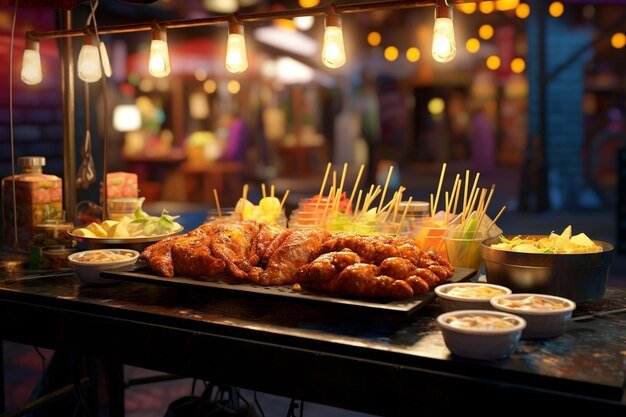
The scent of sizzling garlic and chili, the vibrant kaleidoscope of fresh produce under a canvas awning, the chatter of vendors and the murmur of eager patrons – these are the unmistakable hallmarks of street food and local markets. They're more than just places to grab a bite or buy groceries; they are pulsing heartbeats of culture, history, and community, offering an authentic taste of a place you simply can't find anywhere else.
At a Glance: Your Guide to Street Food & Local Markets
- Cultural Immersion: Discover the true essence of a destination through its culinary traditions.
- Unbeatable Flavors: Experience fresh, often generations-old recipes, bursting with local ingredients.
- Community Connection: Engage directly with producers, chefs, and fellow food lovers.
- Budget-Friendly Bites: Enjoy delicious, authentic meals without breaking the bank.
- Sensory Adventure: Prepare for an assault on your senses – in the best possible way.
- Smart Choices: Learn how to navigate stalls safely and choose the freshest fare.
More Than Just a Meal: The Soul of Street Food & Local Markets
Forget the sterile experience of chain restaurants or supermarkets. When you step into a bustling local market or approach a sizzling street food cart, you're not just buying food; you're tapping into a living, breathing tradition. These culinary hubs are where stories are shared, where grandmothers' recipes are kept alive, and where the daily rhythm of a community truly unfolds.
They're historical archives, too. Consider places like the Niles District in Fremont, California, which boasts a historic shopping area, an Antique Fair, and the Niles Canyon Railway. Such places show how a district's past—from its railroad junctions to its silent film studios—can influence the character of its present-day markets and festivals, creating a unique family atmosphere and a friendly shopping experience. Every market stall and street food vendor, whether in a historic district or a modern metropolis, carries a piece of that local legacy. They champion local economies, providing livelihoods for countless families and ensuring that traditional crafts and farming practices endure.
Decoding the Culinary Canvas: What You'll Find
The umbrella of "Street Food & Local Markets" covers an incredible spectrum of experiences, from quick, grab-and-go snacks to elaborate multi-course meals served al fresco.
The Dynamic World of Street Food
Street food is all about immediacy and flavor. It's often prepared right in front of you, ensuring freshness and giving you a tantalizing preview of what's to come. Think about the incredible variety:
- Quick Bites & Snacks: Skewers, fried dough, sweet treats, and small pastries perfect for snacking while exploring.
- Regional Specialties: Dishes unique to a particular city or region, often perfected over generations. From tacos in Mexico City to pad Thai in Bangkok, these are the authentic tastes you travel for.
- Breakfast, Lunch, & Dinner: Entire meals served from carts or small stalls, offering incredible value and flavor. Imagine a piping hot bowl of pho on a plastic stool in Vietnam.
The Abundance of Local Markets
Local markets are temples to fresh produce, artisanal goods, and the foundational ingredients of local cuisine. These can range from daily wet markets brimming with exotic fruits and vegetables to weekly farmers' markets focusing on seasonal, often organic, produce.
- Fresh Produce: Seasonal fruits, vegetables, herbs, and spices – often harvested that very morning. You'll find varieties you might never see in a typical grocery store, like the pomelos often highlighted at the Irvington Farmers' Market in Fremont, for example.
- Artisanal Goods: Hand-crafted cheeses, breads, jams, pastries, and preserves made by local producers.
- Meat & Seafood: Freshly caught fish, quality cuts of meat, and poultry, often from local farms.
- Prepared Foods: Beyond raw ingredients, many markets feature stalls selling ready-to-eat local dishes, turning the market itself into a casual dining destination.
Your Guide to Navigating Street Food Sanctuaries
Embracing street food and local markets is an adventure. With a little preparation, you can make it a delicious and memorable one.
Finding the Gems: How to Spot the Best Stalls
- Follow the Locals: This is the golden rule. A stall with a long line of locals is usually a sign of quality, freshness, and authentic flavor.
- Look for Freshness: Ingredients should look vibrant, crisp, and recently prepared. Seafood should be on ice, and meats should be sizzling, not sitting.
- Observe Hygiene: While street food environments can be chaotic, good vendors maintain a clean workspace. Look for clean cutting boards, separate utensils for raw and cooked food, and proper handling.
- Ask for Recommendations: Don't be shy! Hotel staff, shopkeepers, or even other diners can point you towards their favorites. Online forums and food blogs are also excellent resources. For example, if you're exploring Ho Chi Minh City, a little research can help you Discover Saigons Best Stalls.
- Trust Your Nose: The aroma of spices, herbs, and grilling food can be an irresistible guide.
The Art of Ordering: Language, Portions, and Payment
Don't let a language barrier deter you. A friendly smile and some strategic pointing can go a long way.
- Point & Gesture: If you don't know the local language, simply point to what you want. Many vendors are accustomed to this.
- Learn Key Phrases: "Hello," "thank you," "how much?" and "delicious" in the local tongue will earn you points.
- Portion Sizes: Street food is often designed for snacking. If you're unsure, order a small portion first, especially if you want to try multiple items.
- Cash is King: While some vendors may accept mobile payments, cash (especially small denominations) is almost always preferred and often necessary. Have plenty on hand.
Hygiene & Safety: A Smart Traveler's Checklist
Worried about getting sick? A few simple precautions can significantly reduce your risk.
- Hot Food, Hot Plates: Opt for food that is visibly cooked fresh and served hot. The cooking process kills most bacteria.
- Peel It, Boil It, Cook It, or Forget It: A classic traveler's mantra. Choose fruits you can peel yourself. Avoid raw salads or unwashed produce.
- Bottled Water Only: Stick to sealed bottled water. Avoid ice in drinks unless you're sure it's made from purified water.
- Hand Sanitizer: Carry and use hand sanitizer frequently, especially before eating.
- Crowds as a Guide: Stalls with high turnover and constant queues mean food isn't sitting around for long, ensuring freshness.
Embracing Local Etiquette: Observe and Respect
Street food and market culture has its own unspoken rules.
- Observe First: Before you dive in, take a moment to watch how locals interact with the vendors and handle their food.
- Patience is a Virtue: Be prepared to wait, especially at popular spots. Don't rush or push.
- Bargaining: In some markets, particularly those for non-food items, bargaining is expected. For food, prices are usually fixed. If you're unsure, observe if others are bargaining before you try.
- Table Manners: If sitting on communal stools, be mindful of your space and clear your own debris when you're done.
Beyond the Plate: Making the Most of Your Market Visit
Your adventure doesn't end with eating. Local markets offer rich opportunities for deeper engagement.
Engaging with Vendors: Stories and Secrets
Don't just grab and go. A friendly interaction can unlock a wealth of information. Ask about their ingredients, where they come from, or how a dish is prepared. Many vendors are passionate about their craft and eager to share stories, especially if you show genuine interest. It’s a wonderful way to connect with the local culture on a personal level.
Timing is Everything: Optimal Visiting Hours
- For Fresh Produce Markets: Go early! The best selection of fruits, vegetables, and artisanal goods will be available right after opening. The Irvington Farmers' Market, for instance, opens at 9 am, and the early bird truly gets the worm.
- For Street Food: Peak hours (lunch and dinner) often mean the freshest batches and most lively atmosphere. Some street food districts come alive only after dark.
- Avoid Closing Time: Selection will be limited, and vendors might be winding down.
Sustainable Practices: Supporting Local, Reducing Waste
Conscious travel extends to your food choices.
- Bring Your Own Bag: Reduce plastic waste at markets by carrying a reusable tote.
- Choose Local: Support local farmers and producers directly, strengthening their communities.
- Mind Your Waste: Dispose of your trash properly. Many street food areas have designated bins.
Bringing Flavors Home: Culinary Souvenirs
A market visit isn't just for immediate consumption. It's an excellent place to find edible souvenirs or ingredients to recreate dishes later. Look for:
- Local Spices & Blends: Unique flavor profiles you won't find at home.
- Specialty Condiments: Hot sauces, local jams, or fermented products.
- Coffee & Tea: Often sold by weight from local growers.
A Taste of the World: Iconic Street Food & Market Experiences
Every corner of the globe offers its own unique spin on street food and markets.
- Asia: From the vibrant hawker centers of Singapore and Malaysia to the night markets of Thailand and the culinary wonders of Vietnam, Asia is arguably the epicenter of street food. Exploring the food scene here is a must-do for any traveler. If you’re ever in Ho Chi Minh City, for a truly immersive experience, you might want to look into Best Saigon Food Tours or simply Explore Saigons food markets independently.
- Latin America: Mexico's mercados are legendary for their tacos, tamales, and exotic fruits. Peru offers ceviche stalls, while Argentina boasts sizzling choripanes.
- Europe: While perhaps not as ubiquitous as in Asia, Europe has a strong market culture with delicacies like Italian lampredotto, French crêpes, and various Christmas market delights. Farmers' markets are also seeing a resurgence, offering gourmet takes on local fare.
- Africa & Middle East: Explore the bustling souks of Morocco for tagines and pastries, or the vibrant street food scenes in cities like Marrakesh and Istanbul.
- North America: The food truck phenomenon has revolutionized street food, while farmers' markets, like the Niles Farmers Market, continue to be community pillars, offering everything from fresh berries to artisanal bread.
Common Questions About Street Food & Markets
Let's clear up some common concerns you might have before diving in.
Is it really safe to eat street food?
Yes, generally! Most street food vendors rely on repeat business and local reputation, which means hygiene is often a top priority. Follow the safety tips outlined above (hot food, busy stalls, hand sanitizer), and you'll minimize risks significantly.
Should I bargain for food prices?
For street food and most prepared items at markets, prices are usually fixed and clearly displayed (or understood). Bargaining is more common for non-food items like crafts or clothing, especially in tourist-heavy markets. When in doubt, observe what locals do.
How do I know what to try if I don't recognize anything?
This is part of the adventure! Look at what others are eating, point to dishes that look appealing, or ask the vendor (with gestures if needed) for their most popular item. Don't be afraid to try something new – that's how culinary discoveries are made.
Do street food vendors or market stalls accept credit cards?
Usually no. Street food vendors and most market stalls operate on a cash-only basis. Always carry small denominations of local currency. Larger markets might have an ATM nearby, but it's best to come prepared.
Your Next Culinary Adventure Awaits
Stepping into the world of street food and local markets is more than just a gastronomic journey; it's an immersion into the very soul of a destination. It's where you find the freshest ingredients, the most authentic flavors, and the most genuine smiles. So, the next time you travel, resist the urge for the familiar. Seek out the bustling corners, follow the enticing aromas, and let your senses guide you. Engage with the people, savor the unique tastes, and collect stories along with your delicious meals. Your most memorable culinary experiences are often found right there, on the street or tucked away in a vibrant local market. Go explore, go taste, and let the real flavors of the world delight you.